
What is a sewer camera inspection?
A sewer camera inspection sends a small waterproof camera down your sewer line to show what's inside the pipe, so the problem can be seen instead of guessed at. The camera sits on a flexible rod or cable, and a monitor shows the pipe wall live. Most providers can record the run and note where each problem sits along the line.
That matters because a sewer line is buried. A clog, a crack and a root ball all look the same from the surface: slow drains and a bad smell. The camera tells you which one you have, and that decides whether you need cleaning, a repair or nothing at all. Call (501) 530-9119 and we'll connect you with an independent provider who runs camera inspections. It's part of the wider range of sewer services in Hot Springs, AR we send calls for.
How a camera inspection works
- Access. The camera usually goes in through a cleanout, the capped pipe on the line. Without one, the provider may work through a toilet or a roof vent.
- The run. The operator feeds the camera along the line while watching the monitor, noting anything unusual.
- Locating. The camera head carries a transmitter. A handheld locator above ground tracks it, so the depth and position of a problem can be marked on the surface.
- Recording. Many providers save the footage, and some give you a written summary. Ask before the visit whether you'll get both.
A camera can't pass a solid blockage. If the line is plugged, the provider may need to clear it first, which is why an inspection often comes after sewer line cleaning or alongside it.
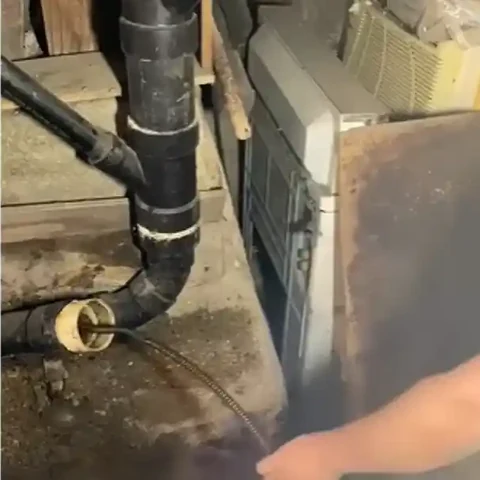
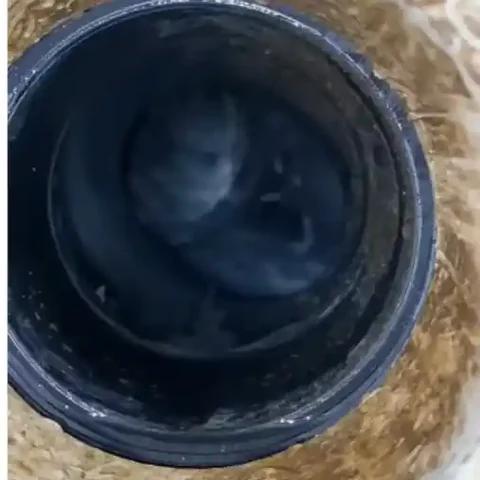
The cleanout is the usual way in, once the line is open.
What a camera can show
| What it shows | What it usually means |
|---|---|
| Roots inside the pipe | A crack or loose joint is letting roots in. |
| A sag or "belly" | A section has settled and holds water and solids. |
| An offset joint | Two pipe sections have shifted and no longer line up. |
| Cracks or a break | The pipe is damaged and may need repair. |
| A collapse | The line has failed and needs replacement or lining. |
| Grease or scale on the wall | Buildup is narrowing the line and cleaning may help. |
| A foreign object | Something is lodged in the line and can be removed. |
| Pipe material | Clay, cast iron, bonded fiber or plastic, which age differently. |
A clear camera run is just as useful. It tells you the pipe is sound, so a repeat clog is more likely about habits than damage.
8 reasons to get a camera inspection
- The same line has clogged more than once.
- You're buying a house, especially an older one.
- Backups come back after cleaning.
- A sewer smell shows up with no obvious cause.
- A patch of yard stays wet or unusually green.
- Backups happen after heavy rain.
- You plan landscaping, a patio or a driveway over the line.
- A provider has recommended a repair and you want to see the proof.
That last reason is a good one. If someone recommends digging, ask to see the footage first. Our Hot Springs page on Hot Springs sewer backups explained covers what else to ask a provider.
Buying a house: why a camera helps
A home inspection usually doesn't cover the buried sewer line. A camera run before closing shows roots, sags and breaks that could cost a lot to fix later. It's one of the more useful things a buyer can add, especially for an older house or a property with big trees near the line.
A camera can also show where the line heads, but it's not proof of what the house connects to. Confirm whether a property is on city sewer or septic with the utility and the property records. Buyers in areas like Piney and around the lakes should do that early.
What causes the problems a camera finds
- Age and material. A lot of housing here is decades old. Clay and cast iron crack and separate, and bonded fiber can deform.
- Roots. Wooded lots are common around Hot Springs, and roots go for joints and cracks.
- Shifting ground. Soil that stays wet, settles or moves can sag a line or pull joints apart.
- Heavy loads. Driveways, patios and heavy equipment above a shallow line can stress it.
- Installation problems. A line laid without enough slope or bedding can sag or hold debris.
Safe checks first, and what about a cheap camera?
- Find your cleanout and note where it is.
- Write down which fixtures act up and when.
- Don't open a cleanout on a backed-up line. It can release sewage.
- Tell the provider about any past repairs or root problems.
Consumer drain cameras exist, and some homeowners buy one instead of paying for a visit. They can show you the inside of a short run, but they usually lack a locator, they may not reach far, and they only help if you know how to read what you're seeing. A professional visit tends to be worth it when the line is long, the problem is serious, or you need a record for a purchase or a repair decision.
Ask whether the provider will mark the problem location on the ground and give you the footage. Both make any later repair easier to plan and to quote.
Don't dig based on a guess. Without a locator and footage, it's easy to open the yard in the wrong spot.
What a camera inspection visit looks like
- Asks what's wrong. Symptoms, history and why you want the inspection.
- Finds access. The cleanout, or the best alternative.
- Clears the line if needed. A camera can't see through a plug.
- Runs the camera. Along the line to the connection, noting problems.
- Locates problems. With the above-ground locator, marking depth and position.
- Explains the results. What was found, what it means and what the options are.
If damage turns up, the next conversation is sewer line repair. If it shows only buildup, hydro-jetting may be the better fit.
Questions to ask about your footage
Seeing the inside of a pipe is only useful if you understand it. These questions turn a recording into a decision:
- Where exactly is the problem, and how far from the cleanout?
- How serious is it: a nuisance, something to watch, or something to fix now?
- Is the pipe clay, cast iron, bonded fiber or plastic?
- Could cleaning solve it, or will it come back?
- If a repair is needed, what are the options, and why that one?
- Can you pause on the problem so I can see it myself?
A provider who is confident in their findings will answer these without fuss, and will often point out things you wouldn't have noticed. If an answer feels vague, ask again or get a second look.
What changes the cost of a camera inspection
Each provider prices camera work their own way, and we don't quote. What tends to change the number:
| Factor | Why it matters |
|---|---|
| Access | A cleanout is simple. Without one, setup takes longer. |
| Length of line | A longer run takes more time and cable. |
| Cleaning first | A blocked line may need clearing before the camera can pass. |
| Locating | Marking depth and position adds time but helps any repair. |
| Report and footage | A written summary and recording may be included or optional. |
When a camera can't wait
A camera is usually scheduled, but a few situations are urgent: repeated backups, a closing date for a house purchase, or a repair crew about to dig. If sewage is coming up inside the house, stop using water, keep people and pets away, and call us. We're open Monday to Saturday, 8 am to 6 pm, and closed Sundays. If it starts outside those hours, keep the water off and call when we open.
Sewer camera inspection questions
Do I get a copy of the video?
Many providers can save the footage, but it depends on the provider. Ask before the visit whether you'll get the recording and a written summary.
Can a camera go through the toilet?
Sometimes. If there's no cleanout, a provider may pull a toilet and run the camera through the opening. A cleanout makes it easier and quicker.
How far can the camera go?
Far enough to cover most house lines, but the reach depends on the equipment, bends and any blockage. Ask what length the provider can inspect.
Can the camera damage my pipe?
It's a thin, flexible tool and is generally gentle. Very fragile or collapsed pipe is the exception, which is why the operator should go slowly and stop if the line is blocked.
Do I need a camera inspection to buy a house?
It's not required, but it's often wise for older houses and for homes with large trees near the line. Add it to your inspection period if you can.
Can a camera tell me if I'm on city sewer or septic?
It can show where the line goes, but it isn't proof. Confirm the connection with the utility and your property records.