
What is a backwater valve?
A backwater valve is a one-way valve installed on a sewer line that lets wastewater flow out of the house but blocks it from flowing back in from the public sewer. When the main fills or backs up, the valve closes, so sewage can't come up through the lowest drains in your home.
It protects against one specific problem: sewage arriving from the outside. It doesn't unclog your own line, and it doesn't fix a cracked pipe. Cleanouts, the capped access pipes often installed alongside a valve, make future cleaning and inspection easier. Call (501) 530-9119 and we'll connect you with an independent provider who installs both. It's one of the preventive jobs among the drain help in Hot Springs we send calls for.
How a backwater valve works
Designs vary, but the idea is simple. A flap or gate sits in the pipe. Normal flow out of the house pushes it open. If wastewater tries to come the other way, it closes. Some designs stay open until backflow shuts them, and others sit closed and open with outgoing flow, so the manufacturer's instructions matter.
- Location. Usually on the main sewer line outside or inside the house, in a spot with an access box or cover so it can be reached.
- Access. The valve has a removable cover. Debris can jam the flap, so it needs to be inspected and cleaned now and then.
- Installation. A section of pipe is cut out, the valve is set in at the right grade, and the line is reconnected and tested.
One honest caveat: while the valve is closed, wastewater from your own house can't leave either. During a backup event, you may need to hold off on showers, laundry and the dishwasher until the system clears.
Who is a backwater valve for?
The risk comes down to elevation. Sewage rises to the level of the nearest upstream manhole, and fixtures lower than that are the ones at risk. Depending on the lot, the street level relative to your lowest drain can matter a lot.
- Homes with a basement bathroom, floor drain or laundry below street level.
- Homes that have had a backup during heavy rain.
- Properties on sloped lots where the line drops toward the street.
- Buyers of homes with low-level fixtures.
- Rental owners who want fewer backup calls.
If your drains are well above the street and the main, a valve may add little. A provider can check the elevation and the line before recommending one.
8 signs you might need one
- Sewage or dirty water comes up in the lowest drain during heavy rain.
- Your lowest toilet or floor drain gurgles during storms.
- Backups stop on their own after the rain does.
- Cleaning your line doesn't prevent the next backup.
- A camera shows your line is sound, but the main is the problem.
- Neighbors have the same backups.
- Your home has a basement or lower-level bathroom.
- A provider or insurer has recommended backflow protection.
Why sewage backs up from the main
- Heavy rain and wet ground. Groundwater and stormwater get into sewers through cracks and joints, and an overloaded system can surcharge.
- Blockages in the main. A clog downstream can push wastewater back up the lateral lines.
- Roots in the main. Roots narrow the public pipe and trap debris.
- Elevation. The lowest fixtures take the pressure first.
- Aging public pipe. Older systems leak and strain more easily.
Wet weather strains sewers everywhere, and that doesn't make any house immune. If you've had a backup, ask a provider to check your elevation and your line, and ask the utility whether your street has had problems.
Cleanouts: the access point that makes everything easier
A cleanout is a capped pipe that gives direct entry to the sewer line. With one, a provider can clear a blockage or run a camera without pulling a toilet. Without one, every visit is slower and sometimes costlier.
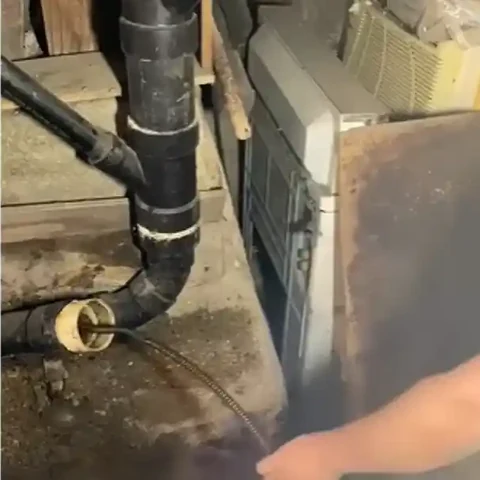
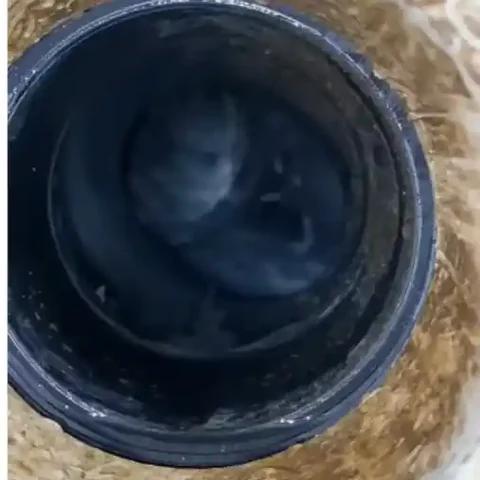
A cleanout gives a provider direct access to the line.
A cleanout is usually installed where it can be reached easily, often near the house, with a cap that can be removed. Many homes have one, but not all. If yours is missing, ask a provider about adding one, and while the line is open, whether a valve makes sense too.
What to do before you buy or install one
- Find your lowest fixtures and note whether they're below street level.
- Ask Hot Springs Utilities whether your street has had backup problems.
- Get a camera look at your own line first, so you know whether the problem is yours or the main's.
- Check what your homeowner's policy says about sewer backup.
- Ask the provider about maintenance and how the valve will be reached.
This isn't a DIY job. Installing a valve means cutting into the sewer line, setting the right grade and meeting code. A badly installed valve can cause the very backup it was meant to prevent.
Ask whether the valve will be easy to reach later. A valve you can't get to won't get cleaned, and a jammed valve doesn't protect anything.
What an installation visit looks like
- Checks the setup. Where the lowest fixtures are, and how the line leaves the house.
- Camera-checks the line. To confirm it's in good shape.
- Chooses type and location. Where it can be reached and set at the right grade.
- Handles permits. Ask whether this is needed and who deals with it.
- Cuts in and installs. Removes a pipe section, sets the valve and reconnects.
- Tests and explains. Runs water, checks the seal and shows you how to maintain it.
Keeping a backwater valve working
- Inspect and clean it on the schedule the manufacturer or installer gives you.
- Keep the access cover clear of dirt, plants and furniture.
- Check it after major storms.
- Don't flush wipes or heavy paper, which can jam a flap.
- Tell any provider who works on your line that a valve is there.
If you aren't sure where to start, how the call-in referral works is explained on our main page, along with what to ask any provider.
Other ways to reduce backup risk
A valve isn't the only tool, and sometimes it isn't the right one. Depending on the house, a provider may talk about:
- A sewage ejector. A lower-level bathroom or laundry can drain into a sealed pit that pumps wastewater up to the line. These have their own check valve and need upkeep.
- Fixture-level plugs. Some floor drains can take a threaded plug or check device. It's a stopgap, not a full fix.
- Rain habits. Hold off on laundry and long showers during heavy storms if low fixtures have backed up before.
- Roof and yard drainage. Keep gutters and downspouts from sending water toward the sewer line or cleanout.
None of these replaces knowing why your drains back up. A camera look at your own line is still the first step.
What changes the cost of a backwater valve
A valve is a one-time install, but the quote still depends on the site. We don't quote prices; these things shape it:
| Factor | Why it matters |
|---|---|
| Depth and location | A deeper or harder-to-reach line means more digging. |
| Valve type | Designs differ in how they work and how they're maintained. |
| Access | A box or pit for reaching the valve adds work. |
| Cleanout | Adding one while the line is open is easier than later. |
| Restoration | Concrete, pavers and landscaping may need repair. |
| Permits | City permits and inspections may apply. |
When backwater trouble can't wait
If sewage is coming up in the house during a storm, stop using water, keep people and pets away, and call us. We're open Monday to Saturday, 8 am to 6 pm, and closed Sundays. If it starts outside those hours, keep the water off and call when we open. A valve is a prevention step, not an emergency fix, but a provider can clear the line and plan protection afterward. If the cause might be damaged pipe, ask about sewer line repair.
Backwater valve questions
Do I need a backwater valve?
If your lowest fixtures sit below street level, or you've had backups during heavy rain, a valve may help. A provider can check elevation and your line before recommending one.
Will a backwater valve stop all backups?
No. It only blocks sewage coming back from the public main. It won't clear a clog in your own line or fix a broken pipe.
Does a backwater valve need maintenance?
Yes. Debris can jam the flap, so it needs periodic inspection and cleaning. Follow the installer's and manufacturer's instructions.
Do I need a permit to install one?
Possibly. Work on the sewer line can involve city permits and inspections. Ask the provider who handles it and whether it's in the quote.
Does insurance cover sewer backup?
Often only if you've added coverage. Standard policies commonly exclude it, so read your policy or ask your agent. A valve may also matter to claims.
What is a cleanout, and do I need one?
A cleanout is a capped pipe that gives direct access to your sewer line. It makes cleaning and camera work easier, and it's worth adding if you don't have one.